
Introduction: A Hidden Gem in Hopkins
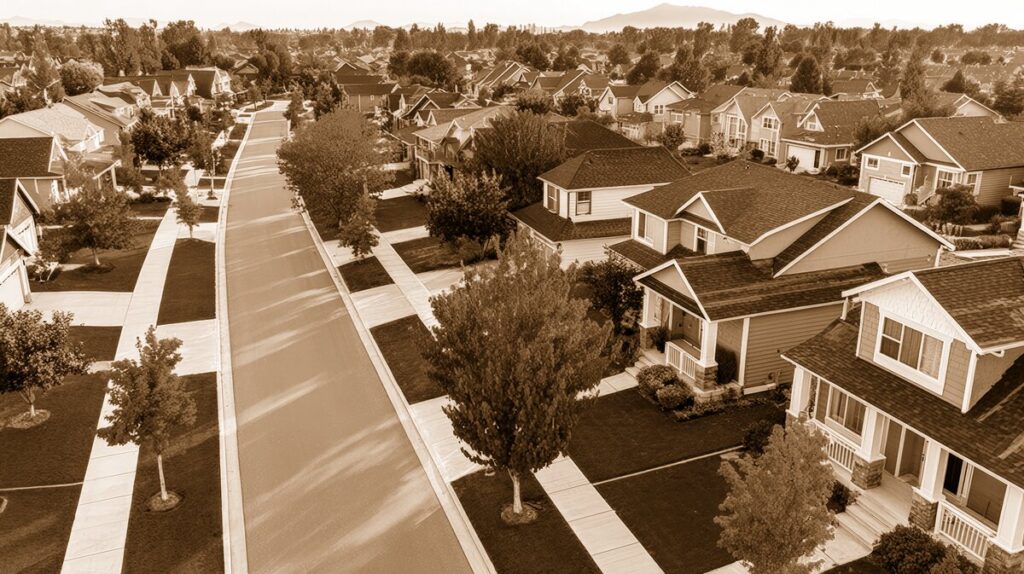
Nestled quietly just east of Shady Oak Road and north of Excelsior Boulevard, the Peaceful Valley neighborhood in Hopkins, Minnesota, has long lived up to its name. Bordered by sprawling trees, charming cul-de-sacs like Ninth Avenue South, and the bustle of downtown Hopkins only blocks away, Peaceful Valley offers a tranquil retreat. But take a closer look, and you'll see more than quiet streets—you’ll uncover a tapestry of history, heritage, and community pride.
The Origins: Fields and Early Families
Peaceful Valley’s story begins in the early 20th century, during a time when Hopkins itself was still very much a rural outpost on the edge of Minneapolis. Back then, what is now Peaceful Valley was mostly farmland and open prairie, marked by gentle slopes leading to Minnehaha Creek. Family names like Hendrickson, Meyer, and Lindquist dotted property lines—many of whom were Swedish and Norwegian immigrants who had traveled westward in search of fresh beginnings.
The neighborhoods east of Shady Oak Road began to fill in slowly as the Great Northern Railway spurred local growth. Yet, Peaceful Valley retained its rustic landscape, with families gathering for picnics along the winding creek and local children fishing or skating on it in winter.
How Peaceful Valley Got Its Name
Unlike some neighborhoods named after landowners or developers, Peaceful Valley earned its name in an almost poetic, grassroots fashion. By the late 1940s, after World War II, veterans returned home and sought a slice of tranquility away from the growing city. As homes began popping up along Cambridge Street, Cambridge Circle, and the little offshoot lanes, neighbors would remark on the quiet beauty of the area—how the hills seemed to muffle city noise and evenings were alive only with crickets and children’s laughter.
It’s said that a group of mothers, sitting on a patch of lawn near the future site of Valley Park, declared it a “peaceful valley”—and the name stuck, eventually becoming official in city documents by the mid-1950s.
Key Historical Milestones
Over the decades, Peaceful Valley weathered the changes that swept across Hopkins and the Twin Cities at large. Some of the notable moments include:
- 1956: Valley Park Creation — The area east of 11th Avenue was converted into Valley Park, forever preserving natural spaces for families and dog walkers alike.
- 1967: Cambridge Elementary Opens — Responding to the baby boom, Cambridge Elementary (now repurposed) filled the corner of Cambridge Street and 10th Avenue, serving generations of local youths.
- 1974: Hopkins’ Downtown Revitalization — Just blocks away, Mainstreet Hopkins was transformed, bringing new life and visitors while Peaceful Valley remained a quiet residential oasis.
- 1991: Minnehaha Creek Cleanup — A volunteer-led effort supported by city grants, improving water quality and enhancing trails along the neighborhood’s southern edge.
Notable Landmarks and Buildings
Several sites in Peaceful Valley cement its unique identity:
- Valley Park
This cherished green space, accessible via Ninth Avenue South, features playing fields, a playground, and trails through lush woodlands. It’s a beloved gathering spot—especially in summer, when families host picnics under the oak trees.
- Historic Ranch and Rambler Homes
Driving along Cambridge Circle or 10th Avenue, you’ll notice the warm character of mid-century homes. Their modest designs reflect the neighborhood’s postwar roots, with many owners proudly maintaining original features like hardwood floors and hand-crafted mailboxes.
- Peaceful Valley Garden
On the corner of Cambridge Street and 12th Avenue, local residents created a small communal garden in the late 1990s. Today, it bursts with color every summer and offers vegetables to neighbors in need—a living testament to the area’s sense of community.
Evolution: From Farmland to Tight-Knit Community
As Hopkins grew into a bustling suburb, Peaceful Valley evolved alongside it—but never lost its cozy charm.
In the 1980s and 90s, some older homes gave way to tasteful new construction, while longtime residents worked to ensure the area retained mature trees and green space. The Minnehaha Creek West Trail connected local walkers and bicyclists to the rest of Hopkins, boosting the neighborhood’s active, outdoorsy feel.
Yet, despite proximity to Highway 169 and major Hopkins employers like Cargill and UnitedHealth, Peaceful Valley remains free from through traffic. Kids ride bikes from one friend’s driveway to the next. Neighbors still host block parties and adopt a “little free library” ethos, with shared books near mailboxes.
Institutions and Community Spirit
Peaceful Valley may not possess imposing institutions or grand civic buildings, but it thrives because of small, purposeful community traditions. The annual “Valley Days” picnic in Valley Park, featuring games and potluck dishes, is a highlight for many. Sometimes, you’ll spot Girl Scouts selling cookies on 10th Avenue or impromptu lemonade stands on Cambridge Street.
Nearby, the historic Hopkins Pavilion and Lindbergh Center—a short walk or bike away—offer even more opportunities for sports, arts, and gathering, reinforcing Peaceful Valley’s ties to the heart of Hopkins.
Conclusion: The Enduring Allure of Peaceful Valley
Over the decades, Peaceful Valley has changed in outward appearance—from open prairie to a leafy, lively residential neighborhood. Yet, at its core, it remains true to the vision of those first families: a peaceful, welcoming place where history is cherished, green spaces are protected, and every neighbor is a friend.
Whether you’re a fifth-generation resident or just arriving on Cambridge Circle, you’ll find the same warmth and quiet beauty that inspired its name all those years ago.